packaging-equip

The Longevity and Retooling of Packaging Machines

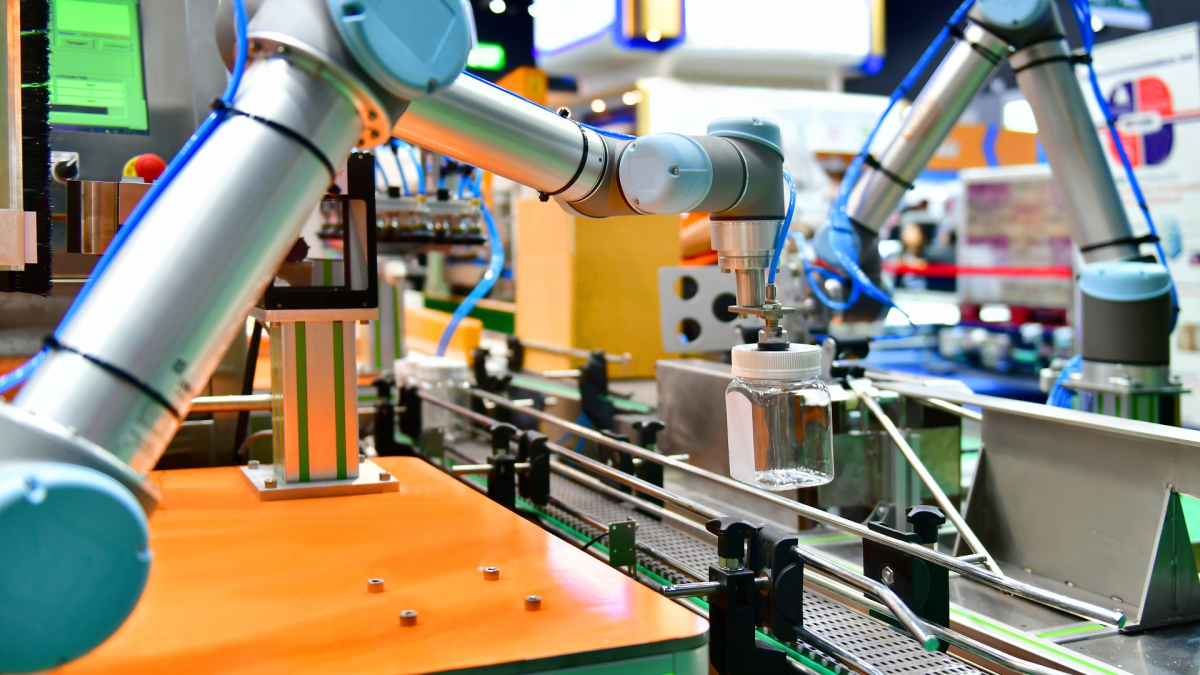
Packaging EquipmentWhen you think about it, basically everything that consumers purchase comes in a package…and those packages were shipped in a package, and those packages most likely came in even bigger packages at one point.

The packaging industry affects nearly every other industry in one way or another, at some time or another and so it makes sense that packaging is considered to be the third-largest industry in the world. 

More Efficient

Packaging machinery makes unit production much more efficient. When you have a packaging business, every millisecond counts—and with the right machinery, production that may take one minute can be decreased, making profit increase. In other words, the quality and efficiency of packaging machinery generates or eats away at revenue.

As technology improves, it’s important to keep in mind that this valuable machinery must be kept updated.

Manufacturers of packaging machinery often upgrade this equipment to be even better, faster, and more efficient, which means that the companies that use that equipment will be better, faster, and more efficient as well. Upgrades mean that “bugs” are worked out of the machines and that improvements are made. Plus, packaging industry customers change formulas or packaging needs, which can require upgrading or retooling systems.

When a business is either being built or modernized, one of the most important elements of the budget planning is the packaging machinery’s lifespan. With the right equipment, a new packaging company can be thriving within a few months, and an established one can take production from good to the best.

Packaging machines are often necessary to the growth and progression of a company, because a company can grow with the upgrades. This is what makes them great candidates for financing: they can help a company generate revenue as they are being paid for.

READ: Why Put Profit Above an Equipment Lease Payment

Lease financing for the packaging industry has helped many companies because instead of buying packaging machinery outright up front, the machines can be financed and the extra money can be put into the business.

The first step is to determine what packaging machinery is needed (or will be needed for an upgrade), and then set up lease financing for your packaging industry business with a reputable lender who will help you determine the best plan for you. 

At Global Financial & Leasing Services, we have expertise in the field of packaging machine financing, and we can guide you in the right direction. We don’t require any down payment, and we specialize in helping business owners who have less-than-perfect credit.

If you’re interested in lease financing for the packaging industry, please don’t hesitate to contact us to learn more!

restaurant

Using Equipment Lease Financing to Set Up Your Restaurant for Success

finance restaurant equipmentIf you’re opening your own restaurant, you know very well that there are many factors and expenses that go into doing it right—just like any business. And, one of the heaviest financial burdens for those opening a new restaurant is the equipment that your establishment requires.

Restaurant equipment definitely isn’t cheap, but it makes up some of the most necessary items that owners need to run their place. It goes way beyond a simple refrigerator and stove. Also, there are dishwashers, steam tables, ice machines, fryers, bar equipment, prep and work tables, holding cabinets, and much more.

Any one of these items alone can be incredibly expensive—not to mention multiple items, which most restaurant owners need. Because of the reality of high restaurant equipment costs, many owners choose to take advantage of restaurant equipment lease financing.

With restaurant equipment lease financing, you’ll be able to get your hands on the equipment you need to get your restaurant up, running, and successful, even if you don’t have a huge budget to work with from the beginning. Instead of having to pay a large, up-front lump sum, restaurant equipment lease financing allows you to pay a monthly payment instead and keep more of your start-up funds in the bank for other expenses, like:

Quality Employees

You can hire better, experienced employees and pay them an attractive salary to reduce turnover. The better employees there are, the better the customer service will be, which is a big attraction for customers, as no doubt you’ve read on Yelp reviews.

Property Rent

Without the drain of a huge purchase for equipment, you could perhaps afford a better location and have greater confidence you’ll be able to pay your rent on the restaurant space each month.

Better Inventory

Excellent food comes from excellent ingredients, but many quality ingredients are more expensive. Locally-grown, in-season fruits and vegetables, as well as healthier ingredients, simply tend to cost more. With the money that restaurant equipment lease financing allows owners to save, you can afford to invest in better ingredients.

Food Safety

With restaurant equipment lease financing, you can have access to equipment that keeps food at its very best, such as heating cabinets and industry-quality freezers. Keeping food warmed up for pick-up customers or frozen enough to be safe is very important, and if it’s not, inspectors can and will cause trouble for you.

Décor

Ambiance and atmosphere are key to your restaurant’s overall experience. If you’re starting a new restaurant, chances are you have a specific vision for it. The money that financing a restaurant equipment lease saves compared to purchasing outright allows can help bring that vision to life.

Unfortunately, what often stops owners from leasing restaurant equipment is their credit. Restauranteurs with less than perfect credit, typically have a difficult time getting financing from banks. But this is no reason for you to settle for basic equipment, or choose to not open your restaurant at all.

Direct lenders like Global Financial & Leasing Services work with restauranteurs and entrepreneurs who have imperfect credit to get them the tools and equipment they need to kickstart their business. To us, you’re more than just your credit. You could be the next Wolfgang Puck.

If you need help with restaurant equipment lease financing, talk to us at GFLS. We’re here for you, and we want you to be able to achieve your culinary dreams.

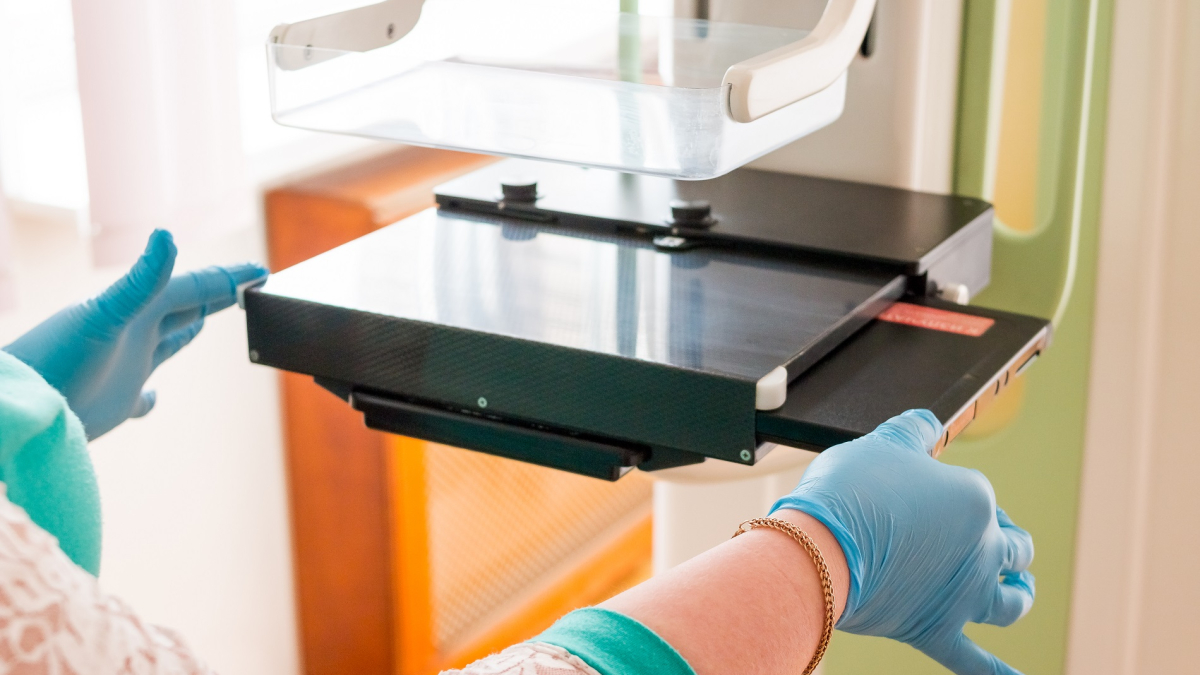
examination of the breast using the mammography x ray machine, which carry out examination of the breast . Prevention of breast cancer.Health care medical technology hi-tech equipment concept. Nurse. medical staff

Medical Imaging Equipment Financing: Leasing vs. Buying

Medical imaging equipment in a clinical settingMedical imaging equipment can be one of a practice’s largest capital investments. Whether it makes more sense to finance, lease or pay cash depends on the equipment, its expected useful life, the practice’s cash flow and how quickly the technology may need to be replaced.

Preserve Working Capital for the Practice

Paying cash for MRI, CT, X-ray, ultrasound or other imaging equipment can reduce funds available for staffing, supplies, buildout, marketing and unexpected operating needs. Financing may spread the acquisition cost over time while allowing the equipment to support patient care and revenue.

Requirements vary by applicant and transaction. The strongest request shows how the proposed payment fits the business and why the equipment is needed.

Plan Around Technology and Useful Life

Medical imaging technology changes, but replacement cycles are not identical for every asset. A well-structured transaction should consider the equipment’s age, condition, expected utilization, service support, resale value and how long the practice expects to use it.

Depending on the program and transaction, available structures may include an equipment finance agreement or a lease. Ownership, end-of-term options and tax treatment vary, so applicants should review the final documents carefully and consult their tax or legal advisers when appropriate.

New and Used Medical Equipment May Be Considered

GFLS can review a range of new and used healthcare assets, including MRI and CT systems, X-ray equipment, ultrasound systems, diagnostic devices and other essential-use medical equipment. Used-equipment requests generally require clear year, make, model, condition, seller and value information.

Explore current medical equipment financing options, including the information that helps a request move efficiently.

What Helps the Review

  • A detailed vendor quote or invoice
  • Equipment year, make, model and condition
  • Recent business bank statements
  • Business financial statements and tax returns when required
  • A clear explanation of how the equipment will be used
  • Installation, delivery and related project costs listed separately

Ready to Discuss the Equipment?

Get a Quick Financing Review or Complete the Full Application.

All financing is subject to credit approval, program availability and final documentation. Rates, terms, advance amounts, deposits, fees and funding timing vary by applicant and transaction.

Doctor check up x-ray film of the brain by ct scan brain at patient room hospital.

Growing Your Practice by Financing a Medical Equipment Lease

Medical EquipmentLike you and your staff advocate for patient care, the Global Financial & Leasing Services (GFLS) team is your advocate in financing leases for medical equipment. We understand that your ability to provide the best patient care hinges on having both standard and state-of-the-art medical equipment. And, like you, we know the high cost of medical equipment can be a barrier to having it in your practice, especially if your credit is less than perfect for whatever reason.

GFLS partners with medical practices of all types, human and animal, to acquire much-needed financing to lease essential medical equipment. In addition to the benefits patients gain by having in-office medical equipment, our clients with medical practices are able to start and/or grow their practices.

Get Your Practice Off the Ground Faster and Easier

Whether you’re taking over a practice or starting one from scratch, working capital can be tight and medical equipment difficult to come by when you’re getting your medical practice off the ground. Your medical practice can gain equity and worth in a short amount of time with the right lease financing.

Financing a lease for medical equipment is easier if you’re a qualified borrower. GFLS works with customers with good credit, as well as those with bad credit. We listen to your “story” and when other financial institutions say no, we can often say yes so you can provide better care faster and get your practice off to the best start.

READ: How to Improve Your Personal Credit Before Financing Business Equipment

Meet Patient Demand for Specific Tests or Services

When you have to refer patients to other practices for essential or elective tests or services, you are turning away revenue. GFLS has financed medical equipment leases that allow doctors to perform tests and services in-office, so you can keep leakage to a minimum and retain control over your patients’ quality of care.

Plus, leasing medical equipment makes it far easier for you to upgrade since you can turn in equipment once the lease is finished and refinance newer models.

Expand or Relocate Your Practice and Keep Capital Outlay in Check

If your goal is to one day expand the number of your locations to meet the needs of popular or underserved areas, chances are you will require medical equipment at the new location(s). One of the most common obstacles is not building a practice in the new location(s), but funding the medical equipment there. GFLS finances medical equipment leases so you have what your practice needs to move into your new location and preserve capital for other aspects of expanding or relocating.

Take Advantage of Section 179 Tax Benefits

Section 179 of the IRS tax code allows businesses to deduct qualifying medical equipment during the tax year it is purchased and put into service, even if it is a financed lease. We recommend consulting with your tax specialist on how to take full advantage of this tax code.

Learn more about the tax advantages of a capital lease and an operating lease.

Providing Not Only Medical Equipment Financing, but Also Valuable Expertise

When it comes to financing medical equipment, GFLS has the expertise that you can trust. We’ve provided financing options in the healthcare market since 2009, which means we can help you navigate the constant changes in both equipment, software and regulations. Get started today with an application or contact our team for more information.

excavator-financing

Excavator Financing with Bad Credit: What to Expect

Updated September 29, 2026.

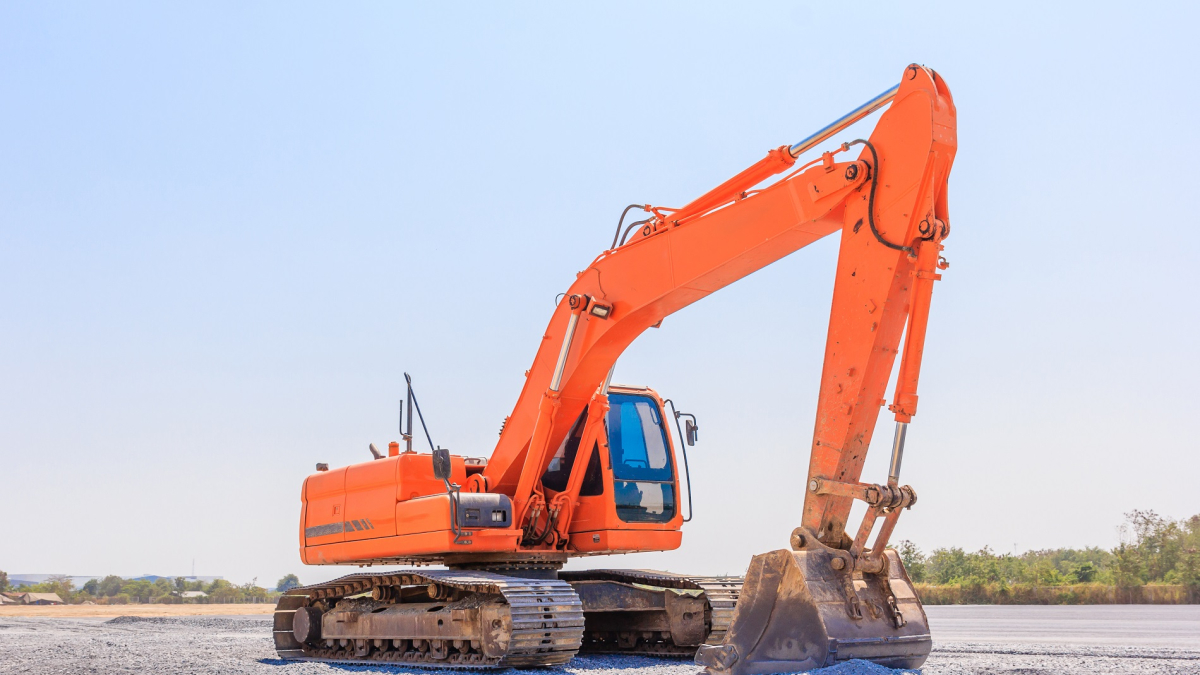
Excavator on a construction jobsiteAn excavator can help a contractor take on larger jobs, replace an unreliable machine or increase capacity. If your credit has a blemish, the financing question is still worth asking. A credit score is one part of the review, alongside the business’s cash flow, the equipment, the seller and the reason for the purchase. Approval and terms depend on the full transaction.

GFLS reviews equipment financing requests for contractors nationwide. Start with the construction equipment financing guide for the broader program, or send a quick financing request with the machine and approximate purchase amount.

What matters when credit is challenged?

Explain what happened, what has changed and how the proposed payment fits the business today. Recent bank activity, existing debt obligations, time in business, project pipeline and ownership experience can help tell the current story. A prior decline elsewhere does not guarantee a GFLS approval, but it does not always end the conversation.

For a contractor adding an excavator to an existing fleet, describe the work it will perform. A purchase tied to a replacement, a signed contract, a capacity need or reduced rental expense is easier to evaluate when the numbers and timeline are clear.

New or used excavator?

Both new and used machines may be considered. For a used excavator, include the year, make, model, hours, condition, attachments, seller information and asking price. Maintenance records and an inspection can be useful when available. The asset’s value and remaining useful life affect how a transaction can be structured.

There is no single reliable price range for every excavator: size, age, hours, condition, attachments and local availability change the purchase price. Use a current dealer quote, listing or purchase agreement rather than an old price estimate.

What should I prepare?

  • A current equipment quote or listing, including any attachments and delivery costs.
  • Recent business bank statements and a concise explanation of the purchase.
  • Business financial statements or tax returns if requested for the transaction.
  • Details about existing equipment debt and the work the excavator will support.
  • A short, factual explanation of any material credit issues and subsequent improvements.

GFLS may ask for more information depending on the applicant, machine, seller and amount. An organized request can reduce back-and-forth, but no specific decision or funding time is guaranteed.

Will I need money down?

The first payment, deposit, advance amount, fees and payment schedule vary with the approval and transaction. Ask for a complete written breakdown before signing. Some qualified transactions may have different structures, so do not assume that every deal has no money down or full financing.

Take the next step

If you have a machine in mind, send the basic details through the two-minute quick request. If you are ready to provide ownership, business and seller details, use the full equipment financing application. GFLS can explain what additional documents the review needs.

All financing is subject to credit approval, program availability and final documentation. Rates, terms, advance amounts, deposits, fees and timing vary by applicant and transaction.

Finance concept

How the Economic Outlook Affects Lease Financing for Construction Equipment

Economic OutlookThe Association of Equipment Manufacturers (AEM) recently published an article on the economic outlook for 2020. It stated that while the economy began 2019 rather strong and that the U.S. is in the middle of 100+ months of economic expansion, many thought leaders are forecasting that our hot economy will cool down a bit. Why pump the brakes in the midst of high business and consumer confidence and low unemployment? Rising interest rates, looming tariffs and an inability to hire enough workers, especially skilled labor.

The Global Financial & Leasing Services (GFLS) team keeps a close eye on economic reports, especially those concerning the industries in which we finance equipment. However, we can gauge the economy’s highs and lows simply by the number of equipment financing applications we receive. Over the past few years, applications have been flooding in from customers who are confident enough in the economy that they’re comfortable spending money.

Construction Leads the Way

The construction industry – residential and commercial – historically leads the way in a good economy. Of course, building requires construction equipment, so it’s no surprise that the demand for construction equipment financing is high.

The past few years were good for leasing pre-owned construction equipment. A good economy mean companies can replace older equipment with new, which increases used inventory. There are a number of construction firms leasing their quality, used construction equipment like backhoes, dump trucks, bulldozers, and other heavy equipment in order to offset the cost of purchasing new equipment.

Is Now the Best Time to Finance Construction Equipment?

Despite interest rates, tariff concerns and labor crunches, it is still a great time to finance construction equipment for a few reasons, including:

  • Used inventory is excellent
  • Current low interest rates (but the Federal Reserve recently has raised rates and more increases could be on the way)
  • The quality manufacturing of today’s construction equipment minimizes the risk of the payments outlasting the equipment

AEM reports that the construction industry is expected to experience steady and solid growth, at least in the short term, though no one can predict the impact of any unforeseen circumstances or events. Financing construction equipment makes sense for many construction firms right now.

READ: Why Put Profit Above an Equipment Lease Payment?

GFLS helps small and medium-sized businesses finance construction equipment leases, even those with less than perfect credit and who have been turned down by other equipment financing providers. Get started today with an application or contact our team for more information.

What are Capital Leases?

Understanding Capital Leases

We previously discussed Fair Market Value leases.  Today let’s talk about Capital Leases.

Capital leases also are known as buck-out leases, dollar buyout leases, lease purchases, finance leases, and nominal leases. Unlike Fair Market Value (FMV) leases, purchasing the equipment at the lease’s end is not optional. You do purchase the equipment, and the price you will pay for it is determined at the start of the capital lease. This price can be as low as $1.00, thus the buck-out alternative name.

Is a Capital Lease a Loan or a Lease?

Unlike FMV leases, you own the equipment during the lease, which means you can depreciate it and take advantage of certain tax incentives. According to the Financial Accounting Standards Board, to be considered a capital lease, it must meet a minimum of one of the following:

  • The lease transfers ownership of the property to the lessee by the end of the lease term
  • The lease contains a bargain purchase option
  • The lease term is equivalent to 75 percent or more of the estimated economic life of the leased equipment
  • The present value at the beginning of the lease term of the minimum lease payments equals or exceeds 90 percent of the excess of the fair value of the leased equipment

For Which Types of Businesses are Capital Leases Ideal?

Since you own the equipment while you make monthly capital lease payments, the equipment does reflect on your balance sheet. However, it might be an ideal option if you want to reserve your cash. Capital leases might be the ideal choice for equipment that has longevity and little depreciation or chance of obsolescence.

Talking with your accountant and Global Financial & Leasing Services can help point you in the right direction of a lease that fits your goals and financial situation.  Contact us today to learn more.

What is a Fair Market Lease?

Not All Equipment Leases are the Same

A lease may seem like a straightforward term, meaning you make payments on business equipment for a set amount of time and once the leasing term ends, the equipment may be returned to the lessor. In the simplest terms, a lease is a rental agreement in which you pay for the use of equipment for a set amount of time. The two most common leases are fair market value (FMV) leases and capital leases. However, like many financial aspects, there are decisions a business owner must make regarding the type of lease that best suits their financial position, type of business, and type of equipment.

Based on the conversations our team has every day with business owners, we can help shed some light on the benefits of both leases and help you determine which one is best for your situation and goals, both long and short term.  Today we will address a Fair Market Value Lease.

What is a Fair Market Value (FMV) Lease?

A FMV lease derives its name from the lessee’s option to purchase at fair market value the equipment at the end of the leasing agreement. The price is determined at the end of the lease. FMV leases also are referred to as operating and true leases – operating because the lease payments are recorded as an operating expense and true because they work like a basic rental agreement.

What are the Benefits of Fair Market Value Leases?

  1. Monthly lease payments offer an opportunity to add equipment to your business that you might not be able to afford otherwise, which in turn could make your company more efficient and profitable.
  2. FMV leases keep equipment off the books as an asset or a liability since it is never purchased and the lease payment is a deductible operating expense. Since it’s not an asset, the equipment doesn’t increase your company’s value. And because it’s not a liability, it doesn’t increase your debt. Depending on your future business plans, both of these situations could work in your favor.
  3. Generally, FMV leases have lower monthly payments for shorter terms. They are often a viable way to get equipment needed for a short amount of time or for a specific project without taking on debt or the hassle of selling it once the project is over.
  4. FMV leases give you the luxury of time to assess the equipment’s performance and usefulness to your operations. If it doesn’t help you meet your goals, you return it at the end of the lease. If it does, you can purchase it at fair market value once the lease expires.

For Which Types of Businesses are Fair Market Value Leases Ideal?

FMV leases can act as insulation against obsolescence. They are ideal for business owners in the technology sector or another industry in which technology quickly evolves. Rather than investing in equipment that will need to be replaced soon after new technology hits the market, a fair market lease for such equipment lets you return it at the end of the lease. Then, you can enter into a new FMV lease for the latest equipment. Since FMV leases tend to be shorter, your business will never be operating with outdated equipment, unless you decide it sufficiently serves your needs.

Talking with your accountant and Global Financial & Leasing Services can help point you in the right direction of a lease that fits your goals and financial situation.


Save Cash When Leasing Equipment

More reasons to consider leasing

Leasing equipment protects your cash flow. Leasing equipment has a lower upfront cost, which is incredibly appealing if you have fewer available capital funds than operating funds. Also, leasing gives you time to pass the cost of your lease payment on to customers through your pricing structure.

It provides a cushion from the negative effects of obsolescence. Technology advances so rapidly that equipment you purchase today stands a good chance of being obsolete in a few years if you’re lucky – months if you’re not. Replacing outdated lower-cost technology like phones and computers is difficult enough to stomach. Updating equipment that you invested tens or hundreds of thousands of dollars in is like a kick in the stomach.

With a lease agreement, you’re paying monthly for equipment that meets your immediate needs. When the time comes to update your technology, often lease agreements include options for trading in leased equipment for new technology. This is so common that even cellular providers are now leasing smartphones for a monthly fee with an upgrade guarantee, meaning customers never buy and own their phones, but they can always trade up as soon as new models are released.

Trading in leased equipment is far easier than trying to sell that equipment. Others in your industry want the latest technology and are not willing to take on the cost of obsolete equipment. More often than not, outdated equipment ends up collecting dust and taking up valuable space in storage. Or worse, it is kept in use and negatively effects productivity and profit.

The leasing company takes care of the down payment upfront. Purchasing a piece of equipment can require a hefty down payment, similar to the down payment homebuyers are required to put down when buying a house. Leasing equipment eliminates that down payment because the leasing company pays the down payment and rolls it into the monthly lease payments.

Bottom line. Why drain your cash reserves to buy equipment when you could allocate that money toward growing your business and being more competitive in the marketplace? Leasing equipment allows you to retain cash and acquire the revenue-generating equipment your business needs.

Since 2009, we’ve helped decision makers in health/medical, construction, restaurant, machinery/manufacturing, printing, and logging/forestry industries lease or finance the purchases critical to their business. Let’s talk about how we can help your business succeed.

Should a Company Lease or Buy Equipment?

What smart business owners understand about leasing equipment vs. buying equipment

A smart business owner would never hire a dynamic, new sales associate and pay him or her three years’ salary in advance. No. Instead, a smart business owner ties compensation to the revenue the sales associate generates for the company. Even though many business owners consider their employees their company’s most important “asset,” they pay a salary for their productivity as it generates sales, and not a minute before.

Regardless of the industry you’re in, this same mindset should apply to how you add business equipment. Just like you’d never waste resources hiring a non-essential employee, it’s a waste of money to invest in equipment unless you can answer, “Yes,” to two questions:

  1. Is it essential to providing your service or product?
  2. Will it generate revenue?

Once you’ve determined that a piece of equipment will help grow your business, the next decision is how to pay for it. The two most obvious choices are to either buy it or lease it. In the majority of cases, smart business owners lease equipment. That way the payments are made over time and are funded by the revenue the equipment generates.

The formula for determining whether leasing a piece of equipment is a smart move is simple:

The revenue generated by the equipment is > or = to the lease payment.

If it is, then leasing makes sense for a number of reasons.

Contact us for more information on how you can make leasing work for your business.