
 It Can be Easier Than You Think to Get the Heavy Equipment Your Business Needs
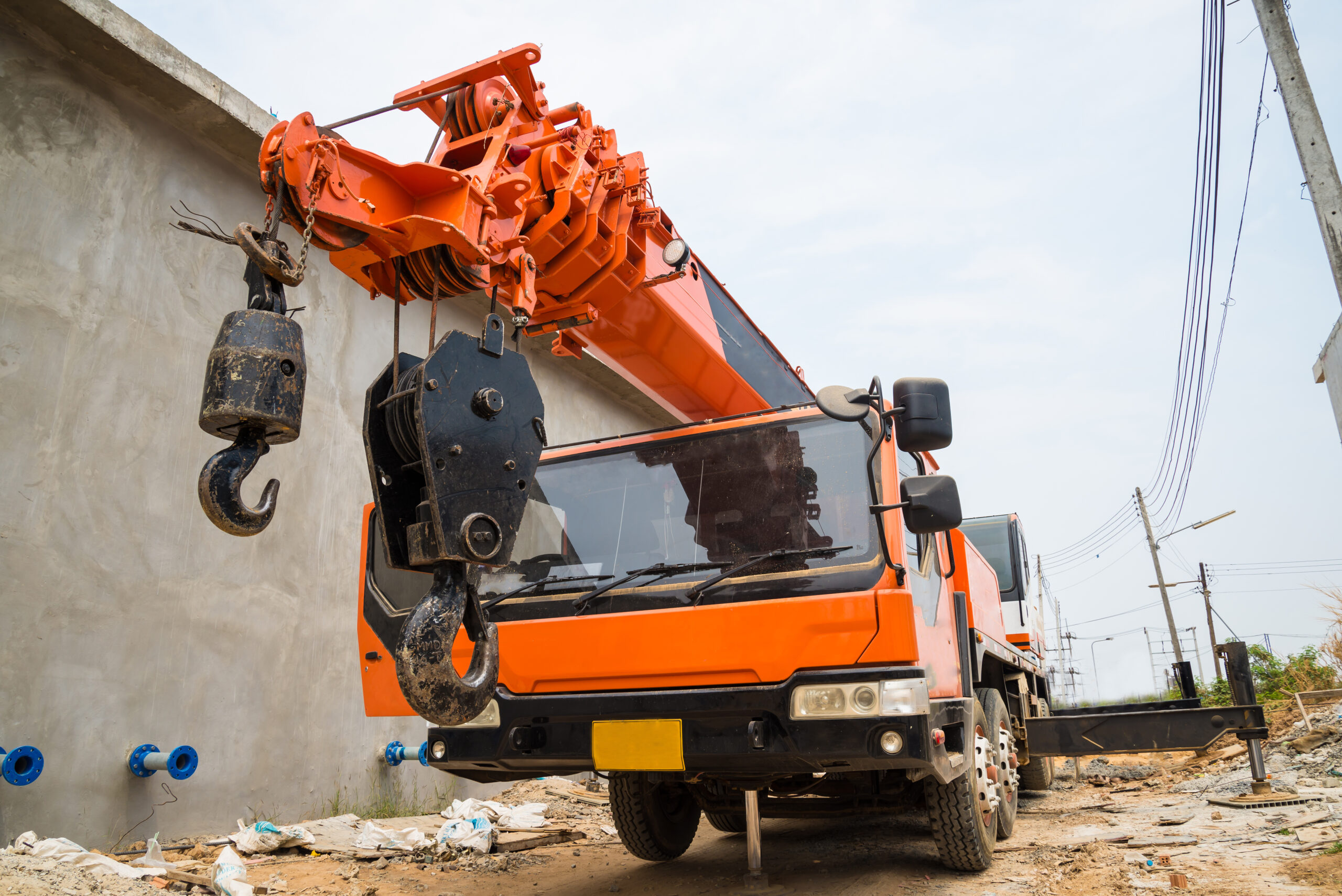
The construction job calls for heavy equipment, maybe a backhoe, skid steer, dump truck or any other type. Perhaps you won a contract, you’re growing the business or you’re replacing or upgrading equipment. Getting the heavy equipment your business needs right now might mean shorter timelines (a competitive advantage), hiring fewer sub-contractors (a cost-saving measure) and the ability to bid on more or different types of projects (a path to grow business). However, heavy equipment either new or used, carries a steep price tag.
Many construction companies and contractors don’t have the financial liquidity to purchase heavy equipment, but they don’t let the cost stop them from reaching their goals. Heavy equipment financing is the solution, allowing you to avoid a huge cash layout and still get “the job done.”
LEARN MORE: It’s Not the Interest Rate That Counts When Financing Equipment
Here’s a two-step approach that makes it easier than you think to get the heavy equipment your business needs.
Step 1: Determine your financial requirements.
Financing options are more tailored to the borrower’s needs today. Even car companies jumped on board, starting with how much a buyer can afford to spend monthly instead of selecting the vehicle. You know the type of heavy equipment you need, now’s the time to determine how much you can budget for it each month. Unsure?
Ask yourself the following question: How long do you intend to use the equipment?
Your answer helps determine whether short- or long-term financing is best or what type of lease makes sense for your company’s finances and future.
Do you plan on keeping the equipment for the long haul? Long-term financing can result in lower monthly payments.
Will you use the heavy equipment for a single or a few contracts? Short-term financing or renting might be a smart solution.
Is the equipment used on a seasonal basis? Work with a financing provider who is willing to vary the payment amounts based on the time of year.
With all the options available, it’s critical to work with a lender who is willing to work with you to find heavy equipment financing solutions customized to your needs.
Browse GFLS’s Used Heavy Equipment for Sale
Step 2: Get ready for the heavy equipment financing application process.
Step two is where the differences between big banks and lenders, like Global Financial & Leasing Services (GFLS), become obvious. With big banks, expect a lot more paperwork, and make sure your financial statements are buttoned up. Also, build in enough time between the time when you submit your application and when you actually need possession of the heavy equipment. Big banks can draw out the process for weeks or months, and even if eventually approved, funds aren’t made immediately available. This creates a huge problem for business owners who need their equipment to start a project.
We can’t speak for other lenders, but GFLS follows a streamlined process, aiming to keep our application process as quick and painless as possible. We take a look at your business’s overall financial picture, and we respond as soon as possible (often in 24 hours or less) with heavy equipment financing solutions that meet your company’s needs.
GFLS does not require a perfect credit history and goes beyond looking at the numbers when making our credit decisions.
Ready to Apply for Heavy Equipment Financing?
Work with a financing partner who understands small and mid-sized business and the construction and manufacturing industries. GFLS can be your partner for the long run, financing your equipment as you grow. Contact us or start with your application.

 stories of confidence thanks to increased business volume, but also, we’re seeing it in the numbers. Certainly, the pandemic has affected small and mid-sized businesses across a spectrum of industries. It’s these exact organizations that’ve been hit hardest and have more difficulty securing financing, especially if they fall on the lower tier of credit ratings.
 October marks the start of the 4th quarter and the beginning of the end of the tax year for many business owners. If you’ve been considering making purchases for your business, this might be the right time to buy. Your business benefits from having the goods or services available now, and your expense write offs can reduce your tax liability for this year.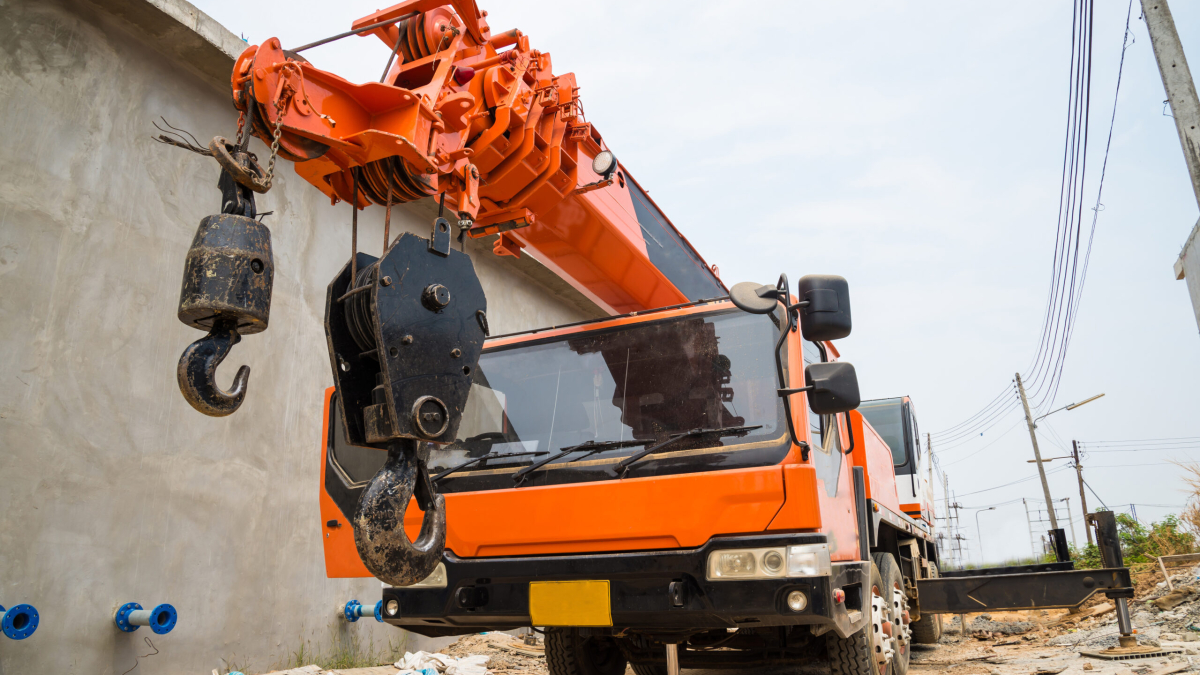
 Global Financial & Leasing Services

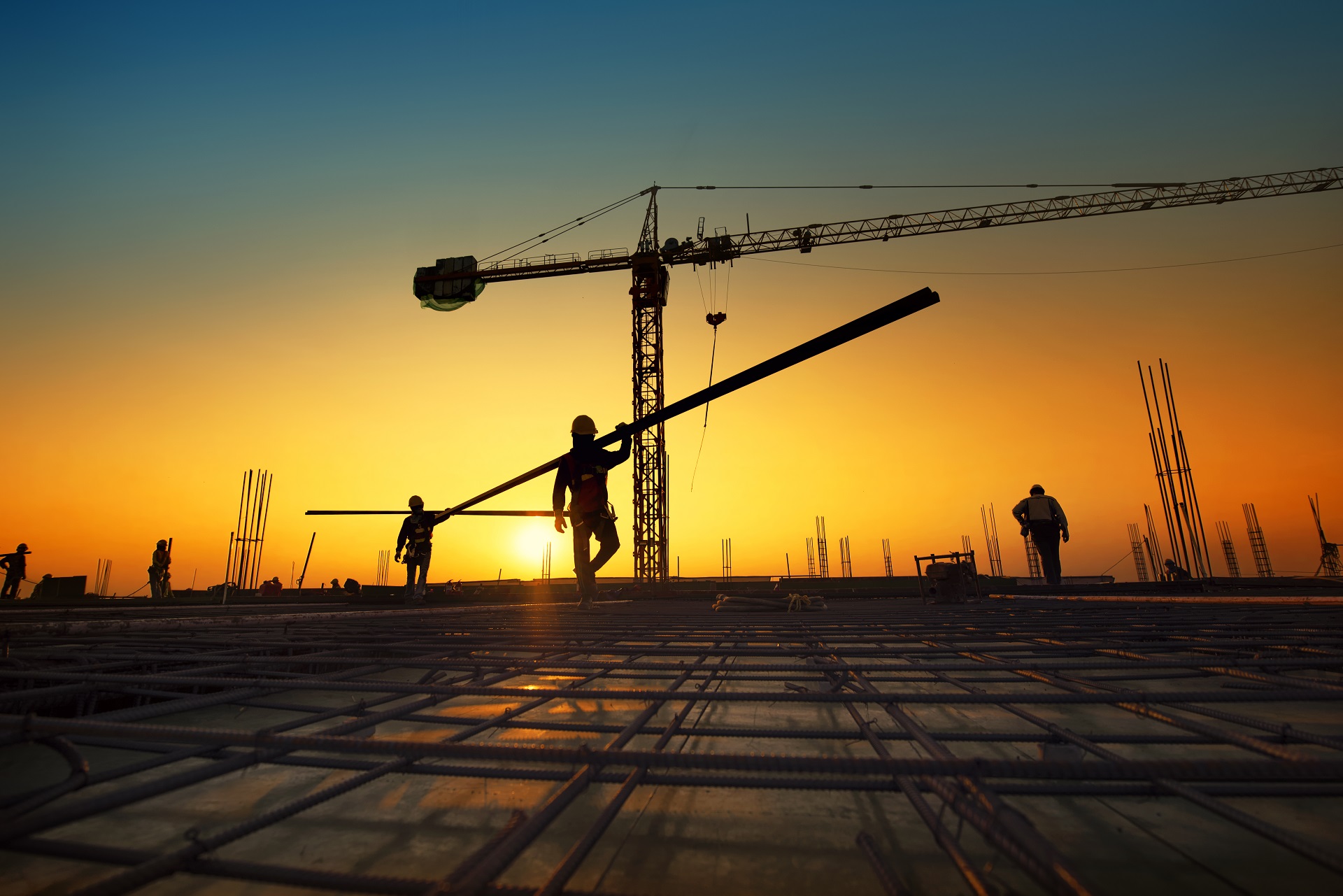 For startups, equipment acquisition is necessary to get the business off the ground. For established companies, acquiring equipment is a means to grow and expand. Debt is a four-letter word for many business owners. Therefore, many believe raising equity to acquire equipment is better than taking on debt, even though debt comes with a specified interest rate and payoff date. Just because it’s believed, doesn’t make it so.
 If you’re considering financing an equipment lease for the first time, the obvious benefit is being able to grow your business. Whether the equipment will be used to improve efficiency, productivity, competitiveness or all the above, the ultimate benefits are more revenue and expansion.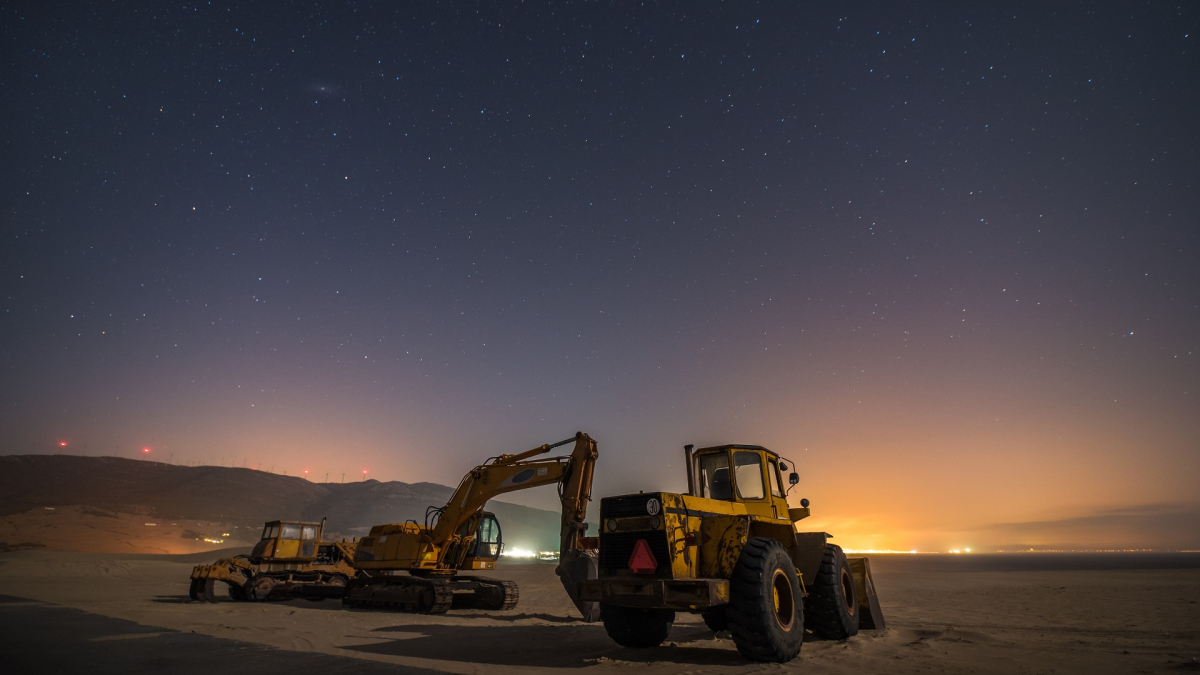
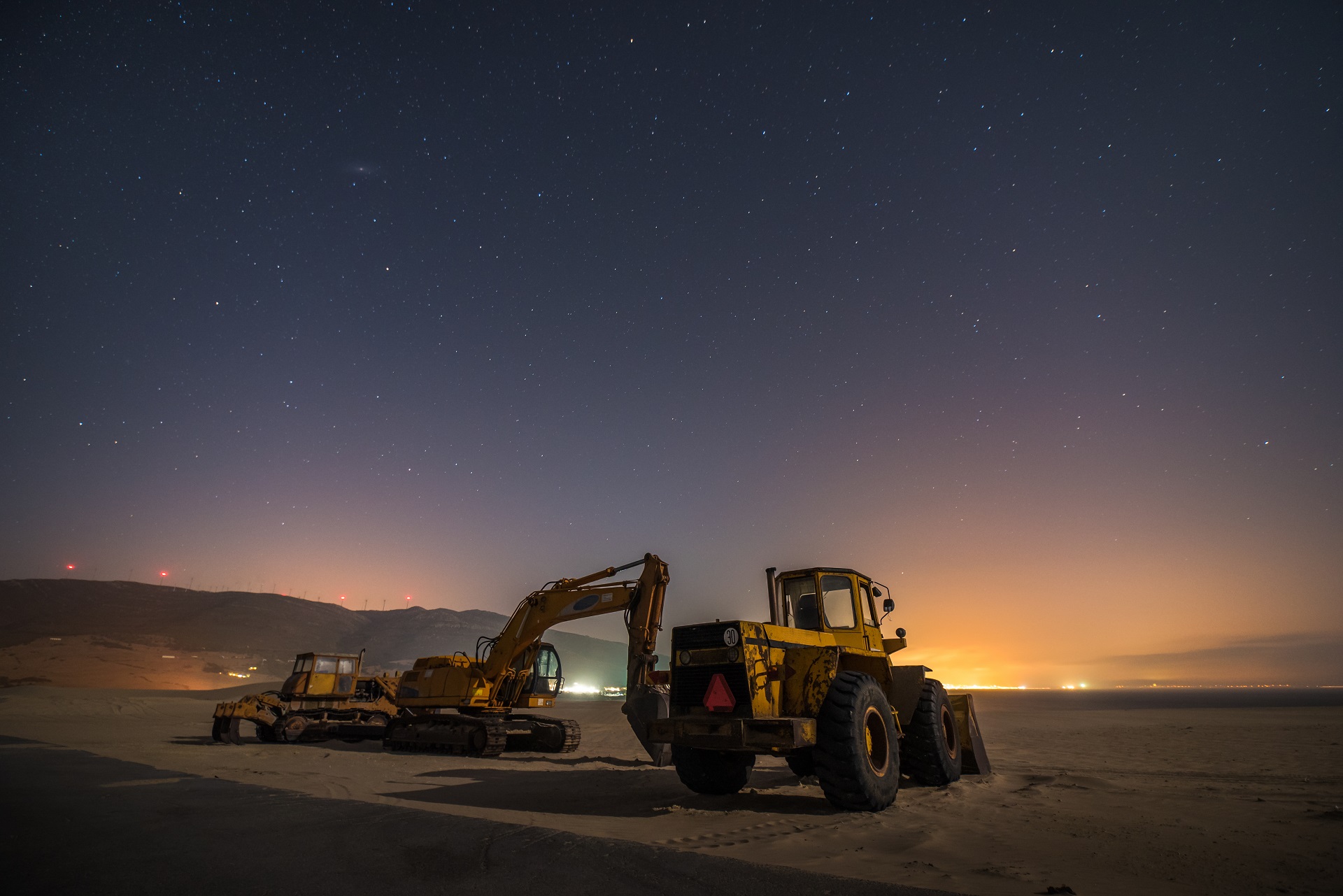 When financing a business equipment lease, you don’t want any surprises anywhere along the way. Hidden fees or shady representatives are definitely not something else you need on your plate when trying to kick your company into gear or take it to the next level, so it’s crucial to work with a company, like Global Financial & Leasing Services (GFLS), where what you’re told you get is exactly what you actually get.
 As 2019 winds down, it’s that time of year to make resolutions for 2020. Business resolutions are just as important as personal ones if you’re an entrepreneur. If you’re considering financing an equipment lease to start off a new year and a new decade, here are 10 helpful to stand by.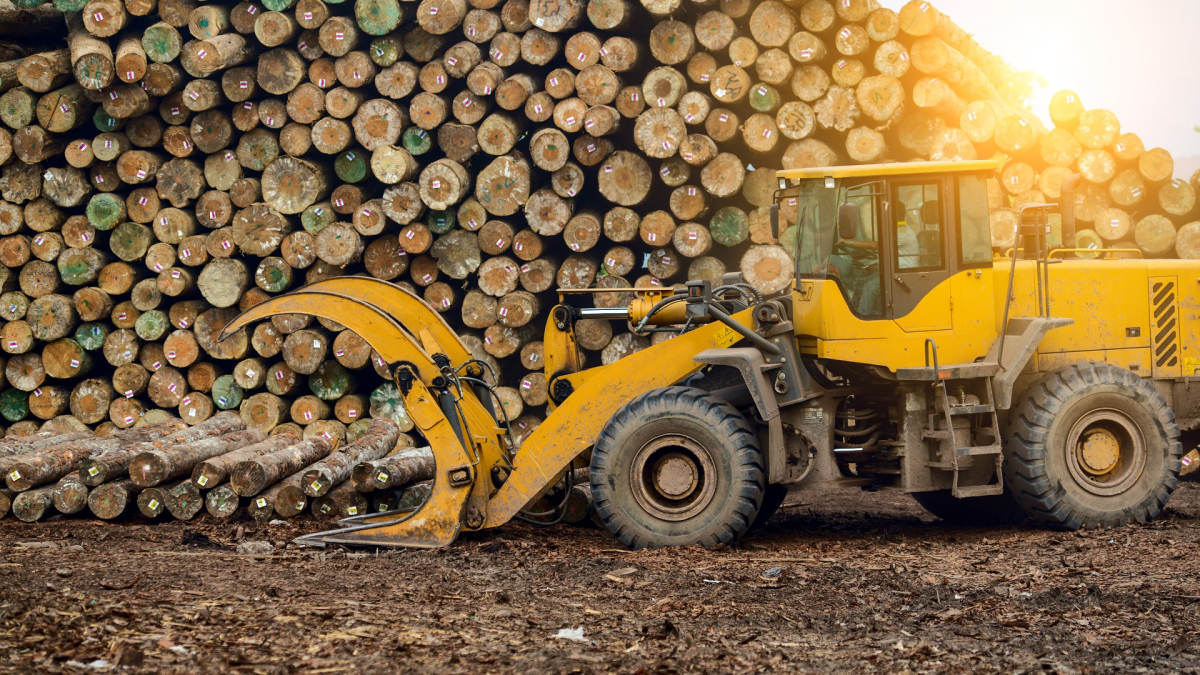
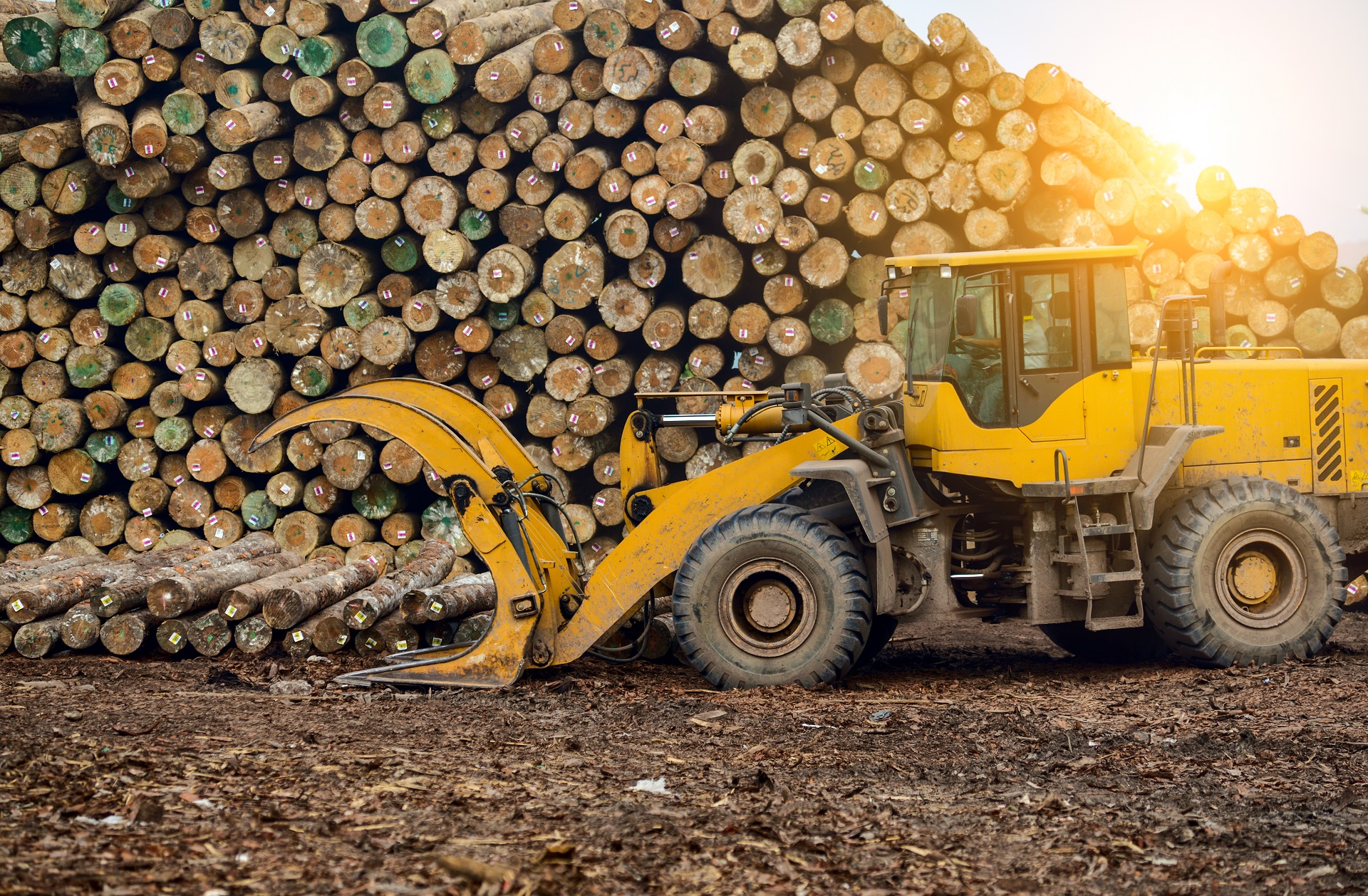 Logging and forestry operations depend on productive equipment working in demanding conditions. A breakdown, new timber contract or production bottleneck can create an immediate need for a skidder, loader, harvester, processor or other machine.