
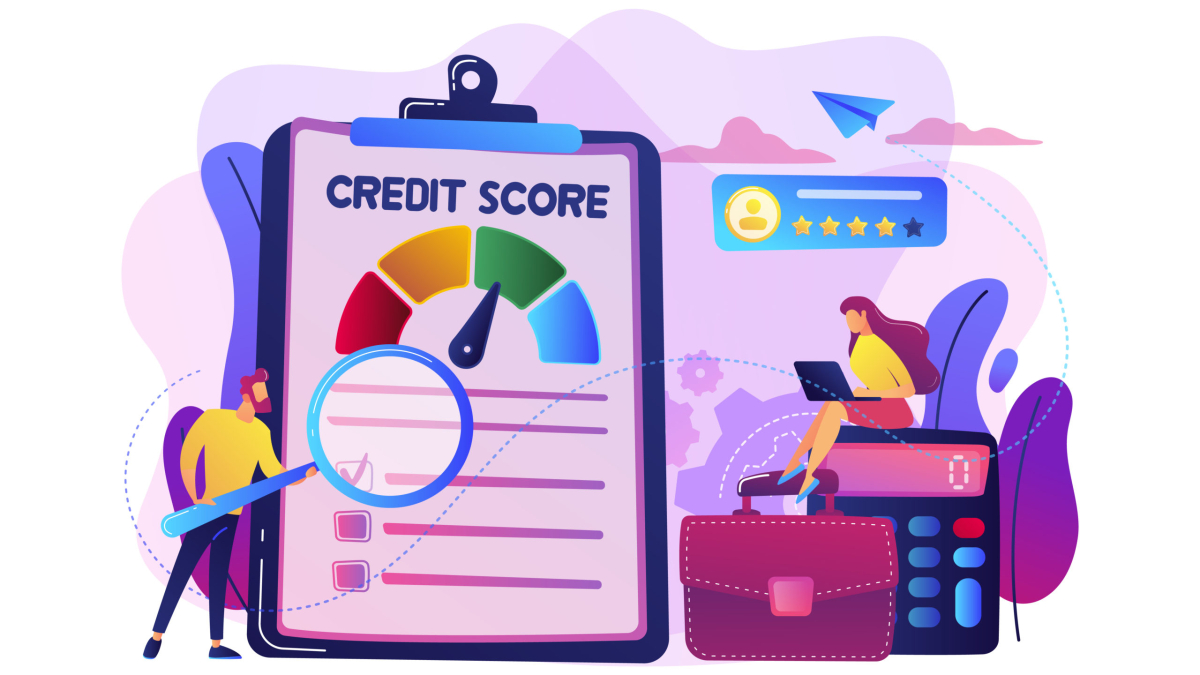
Can I Finance Equipment with a 640 Credit Score?
650 is a common make-or-break number in the equipment financing world. A credit score of 649—a mere one-point difference—can be a canyon wide enough to keep a business owner from being able to finance equipment. Think about that. Falling one point short of a set credit score can squash a dream, kill a great idea and keep a company from reaching its potential.
All business owners with more than a 20 percent equity position in a company typically guarantee a financing transaction. Therefore, personal credit scores play a large role in financing an equipment. Traditional big banks require a 700+ credit score to consider you eligible for financing. And, “B” lenders use the 650 mark as their cut-off point.
Can you finance equipment with a 640 credit score? 649? Basically, any score below 650? Yes, you can, if you work with a Direct Lender who specializes in lending to people in that credit range, like Global Financial & Leasing Services (GFLS). Unlike many other lenders, we work with all credit types and do not have a minimum FICO score to qualify for equipment financing. Nor do we have other disqualifying measures such as prior bankruptcies, tax liens, judgments, foreclosure or ridged industry restrictions.
Sound too good to be true? It’s not. Here are just two real-life testimonials from our clients.
“Global Financial & Leasing Services provided our company with financing resources when every other firm said no. Both Jim and Judi Jenks have been supportive beyond any experience I’ve had with other financing firms. Their professionalism and ‘going the extra mile’ for their client was the norm, not the exception. I highly recommend GFLS for your financing needs, as you will be dealing with people who truly practice what they preach.”
CFO & Treasurer, SerenaGroup, Inc.
“Global Financial & Leasing Services has allowed our business the growth we needed and given us an exceptional partner we can count on. Other leasing firms were merely interested in looking for certain numbers to meet in the short term. J.D. Jenks, GFLS’s CEO, understood our business model and why we needed what we needed.”
President, Wound Care Management Company
Is Equipment Leasing an Option for Your Business?
Equipment Leasing is a great option for business owners, especially those with bad credit. When you lease equipment, you make a monthly payment for an agreed-upon term. At the end of the lease, you may have the option to purchase the equipment. When compared to the possibility of not starting your business or trying to make do without essential equipment that could have a massive positive impact on your efficiency, profit and ability to compete, it’s the smart choice.
Build a partnership with a lender who makes credit decisions based on your business’s whole picture. While other lenders use an unyielding scoring model, GFLS looks at:
- Your business’s cashflow
- Your time in business
- The type of equipment for which you’d like to finance a lease
- The reason(s) your credit is blemished
Back in 2008, the Great Recession caused a great number of foreclosures, some just a matter of luck and timing. In 2009, GFLS was created to meet the equipment financing needs of small to mid-sized businesses all over the United States, who had been frozen out by the banks for any number of credit blemishes. GFLS’s team believes character is more than just a credit score.
LEARN MORE: Ways to Fund Equipment Purchases or Leases for Your Startup Business
GFLS provides equipment financing solutions with no hard cap on the amount for a wide range of companies and a wide range of credits with no minimum FICO score requirement. If you have been shut out of the credit market, let our team peel back the layers of your credit history to reveal value and create a structure that will work for you. Ready to learn more? Let’s talk about the possibilities. Or, get started today by filling out an online application.
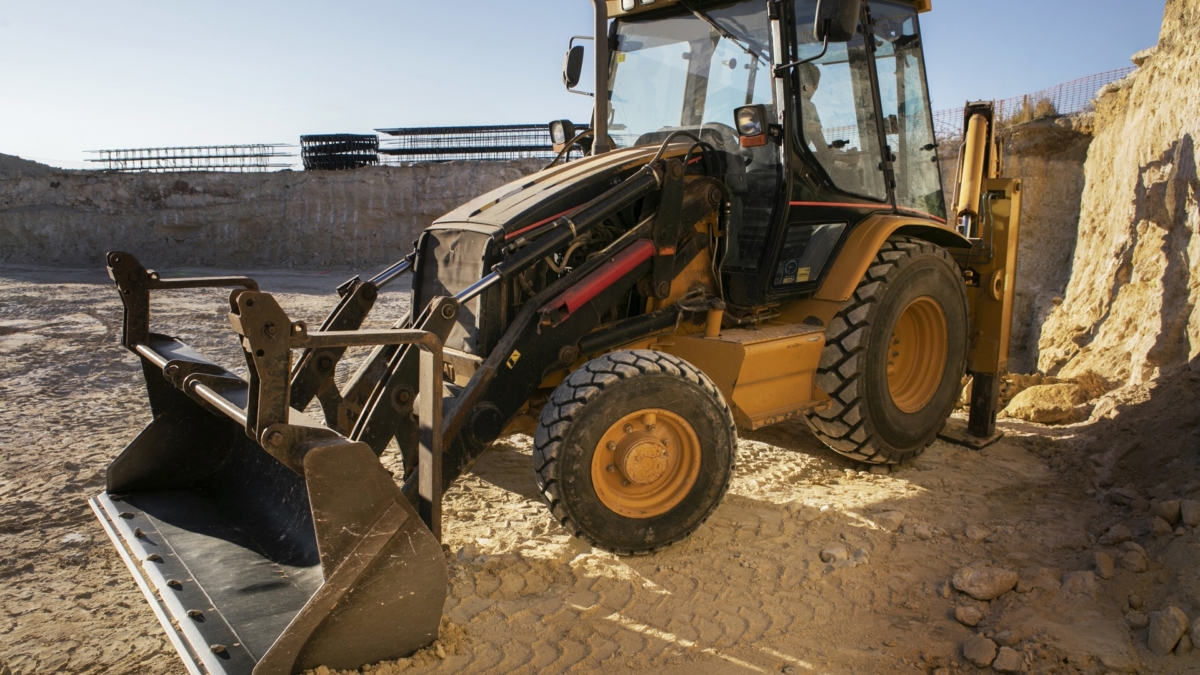



 From being in the startup phase to pushing through a growth stage or rising like a phoenix from the ashes of a downturn, there are times when you need to finance essential business equipment. Doing so isn’t cut and dry for many business owners, but rather presents a series of hurdles to overcome in order to obtain the equipment financing they need to start, grow or rebuild the company.
 As of this writing, 48 states have legalized cannabis in some form, recreationally, medically or both. But, until cannabis is no longer a Schedule I controlled substance on the federal level, those seeking cannabis equipment financing will have a difficult time getting traditional bank funding. Big banks are prohibited from lending money to businesses that profit from controlled substance sales. Even though non-traditional and private lenders are stepping in to fund cannabis equipment financing, startups and those with credit blemishes have a hard time finding solutions.
 In November of 2021, the House of Representatives passed the Senate version of the Infrastructure Investment and Jobs Act (IIJA) and President Biden signed it in to law. Not only does IIJA’s passage mark the biggest investment in the U.S.’s infrastructure since the New Deal, it also triggers a starting gun for companies that will contract with the government directly or government contractors on projects, ranging from transportation and water to energy, broadband, and rehabilitating our country’s natural resources. Overall, the bill represents approximately $1.2 trillion, which is about $550 billion in new spending with over half of that focused on transportation—an area that requires heavy equipment.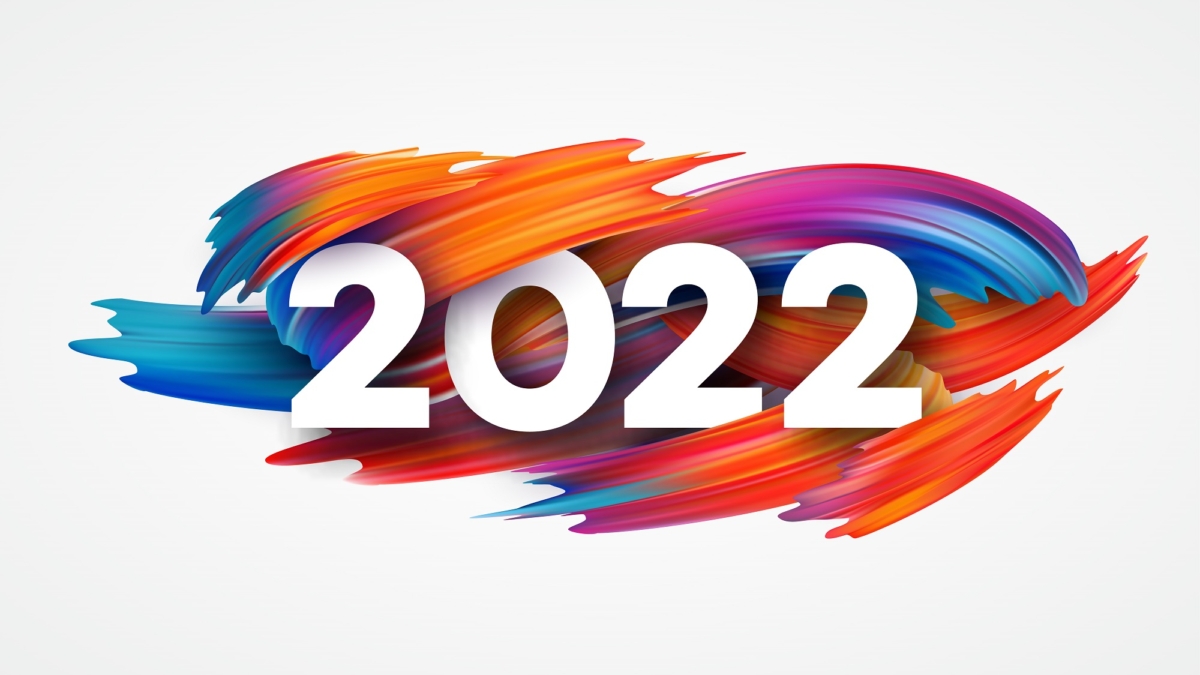

 From startups to global corporations and from cash-flush to cash-strapped companies, they all take advantage of and benefit from vendor financing. In fact, the Equipment Leasing and Finance Association (
 For small business owners, your personal credit history plays a role in obtaining essential use business equipment financing. However, lenders also draw a correlation between your personal credit history and your business credit report—the belief being that people tend to treat their business accounts much like they do their personal accounts. If you’re a new small business owner, your personal credit history will take precedence over any business credit history you’ve yet to build. But, if your business is established, your business credit report pulls more weight on an equipment financing application.