What is My Best Source for Equipment Financing?
Obtaining equipment financing lets business owners get the machinery needed to improve and grow their companies. Everyone knows that. What gets confusing is finding the best source for financing equipment. There certainly is no lack of options when it comes to equipment financing companies, but how do you find the lender who’s best suited for your business and financial situation?
Of course, financing up to 100% of the equipment, competitive interest rates and a willingness to work with your credit rating are important. Yet, finding a lender who offers it all can be like finding a needle in a haystack. The better you understand what equipment financing is, how it works and the process of getting it, the easier you can find your best source for it.
What Is Equipment Financing?
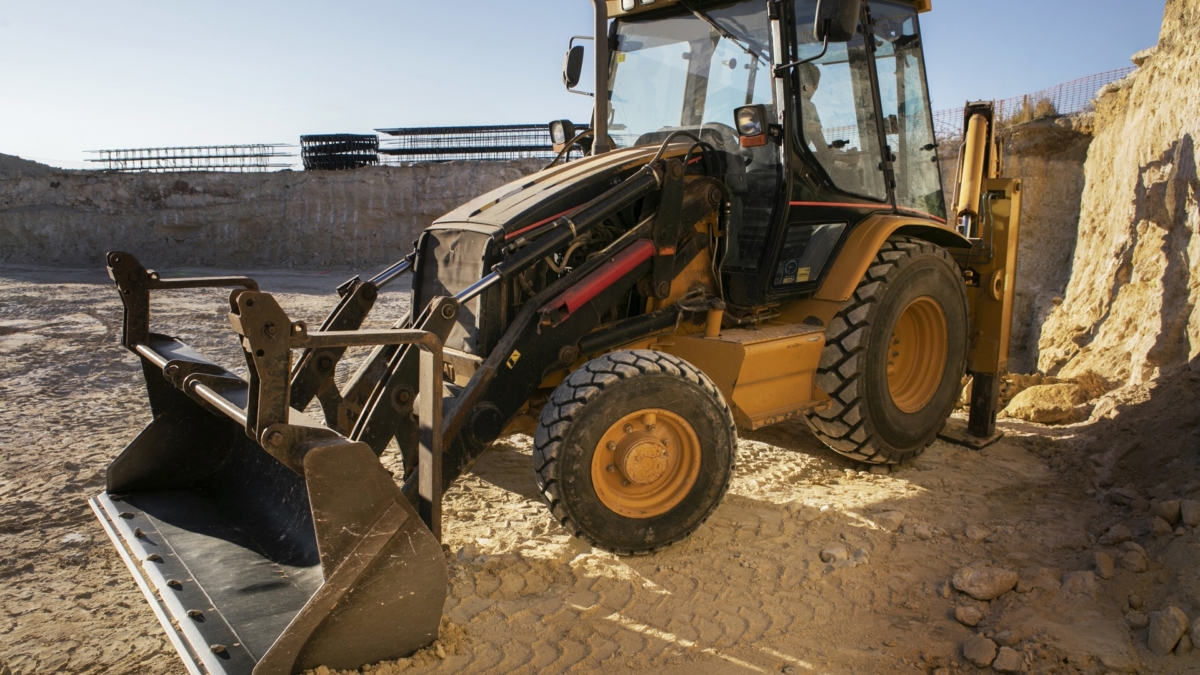
Equipment financing is a commercial lease or a loan specifically used to obtain equipment and machinery businesses need to operate, upgrade, expand and grow. Business equipment can range from technology to manufacturing and construction heavy equipment.
Global Financial & Leasing Services (GFLS) serves a variety of industries.
What is the Difference Between an Equipment Loan vs. Equipment Lease?
Equipment leases: With leasing, you don’t own the equipment outright. Rather, the lender purchases the equipment from a vendor and rents it to you for a monthly payment. At the end of your lease, you can choose to purchase the equipment, renew your lease, or return the equipment. There are two main types of equipment leases: operating leases and capital leases.
Equipment Loans: With a loan, the customer agrees to purchase the equipment from a dealer. The lender provides the financing on behalf of the customer. Over time, you pay down the principal, plus interest. After making the last payment, you own the equipment free and clear.
How Does Equipment Financing Work?
Traditional big banks, credit unions, private and alternative lenders are the most common sources for equipment financing. Interest rates and repayment terms vary based on a variety of market and borrower criteria. Big banks and credit unions typically advertise competitive interest rates, but qualifying for them requires excellent credit and meeting other rigorous stipulations. Their review, approval and funding process can take weeks or months. Private and Alternative lenders often tend to be quicker with their funding and work with all types of credit scores. GFLS generally makes equipment financing decisions in 48 hours or less and can approve all credit levels, including business owners with credit blemishes.
Once your application is approved and financing documents signed, then the equipment is funded. Monthly payments are then spread out over your lease term. The equipment financed acts as collateral, so if the borrower defaults on the equipment financing, it can be repossessed and sold to help repay any outstanding debt.
LEARN MORE: With Inflation and Rising Interest Rates, Is Now a Good Time to Finance Equipment for Your Business?
Do the Prep Work Before Applying for Equipment Financing
- Evaluate your company’s equipment needs. Before applying for equipment financing, determine the amount you’ll need to borrow. Make sure the cost will be offset by new business, better efficiency and growth to keep your business profitable.
- Know your credit score. Equipment financing is secured by the underlying collateral, but lenders still want to know they will be repaid. Many lenders use your personal and business credit history and score to determine the likelihood of repaying the financing. Most lenders require a minimum 650 credit score. GFLS does not have a minimum credit score requirement and works with all types of credit scores because we look beyond the number and take other circumstances into consideration.
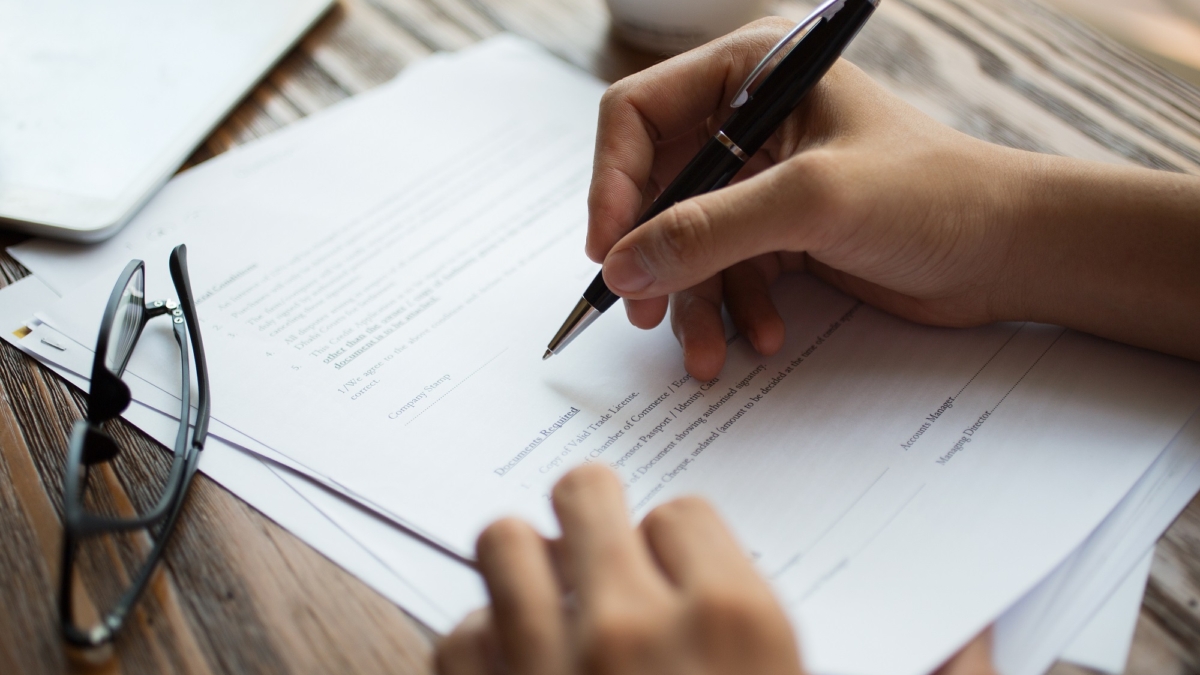
- Submit your equipment financing application. Get started with your equipment financing application.
Choose GFLS as Your Best Source for Equipment Financing
GFLS has been a leading provider in equipment financing since 2009, providing small and medium-sized businesses with the financing needed for essential use equipment. We are an established direct lender with the unique ability to finance almost any business seeking to acquire equipment. With our in-house funds and relationships with over 200 private label and public banks, we have the ability to help those businesses who have been turned down by the banks due perhaps to prior bankruptcy, student loans, tax liens and bad credit. Ready to learn more? Let’s talk about the possibilities. Or, get started today by filling out an online application.